[ad_1]
This story discusses suicide. If you or someone you know is having thoughts of suicide, please contact the Suicide & Crisis Lifeline at 988 or 1-800-273-TALK (8255).
Chronic lack of sleep can cause a long list of physical and mental issues — and for one young man, his mother believes it led to his death.
Derek McFadden was just 23 when he took his own life on Aug. 17, 2018, in Tucson, Arizona.
His mother, Robin McFadden, who lives in Tuxedo Park, New York, said she believes her son’s insomnia was the “only driver” of his suicide.
SLEEP DISORDERS AND SUICIDE: A MENTAL HEALTH EXPERT REVEALS THE CONCERNING LINK
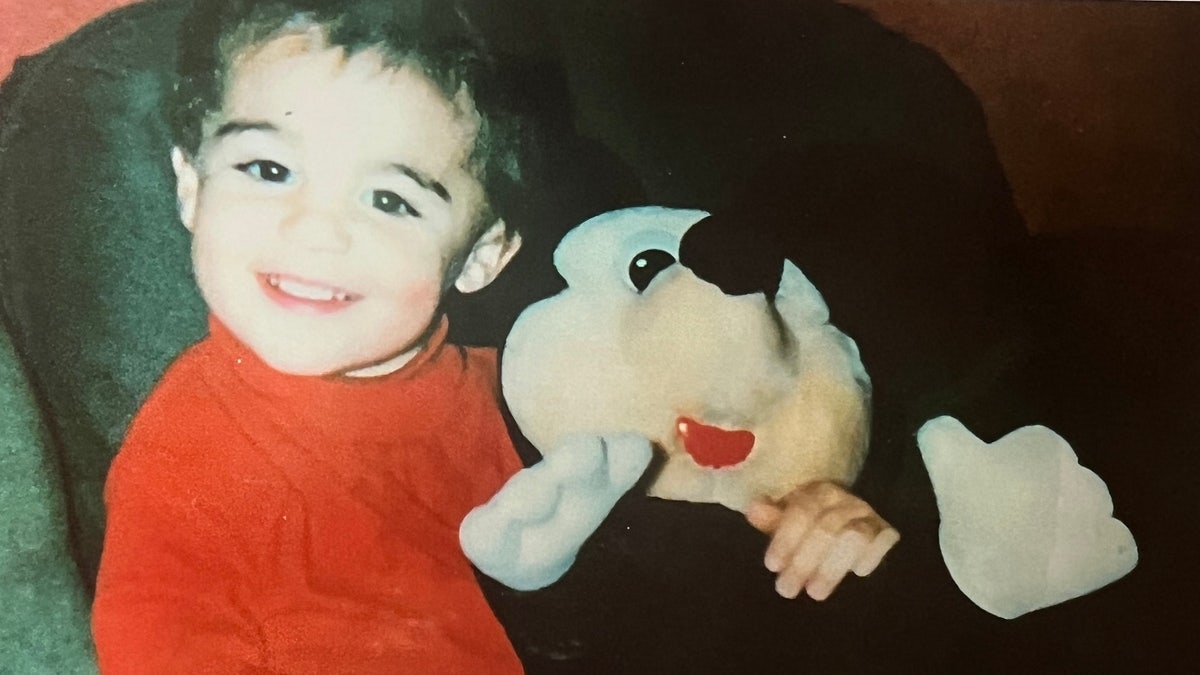
Derek McFadden was an “extremely funny kid” who loved swimming, snow-skiing and cuddling, his mother said — but for most of his life, he struggled with debilitating insomnia.
At around 8 years old, he started taking small doses of sleeping medication, which helped for several years.
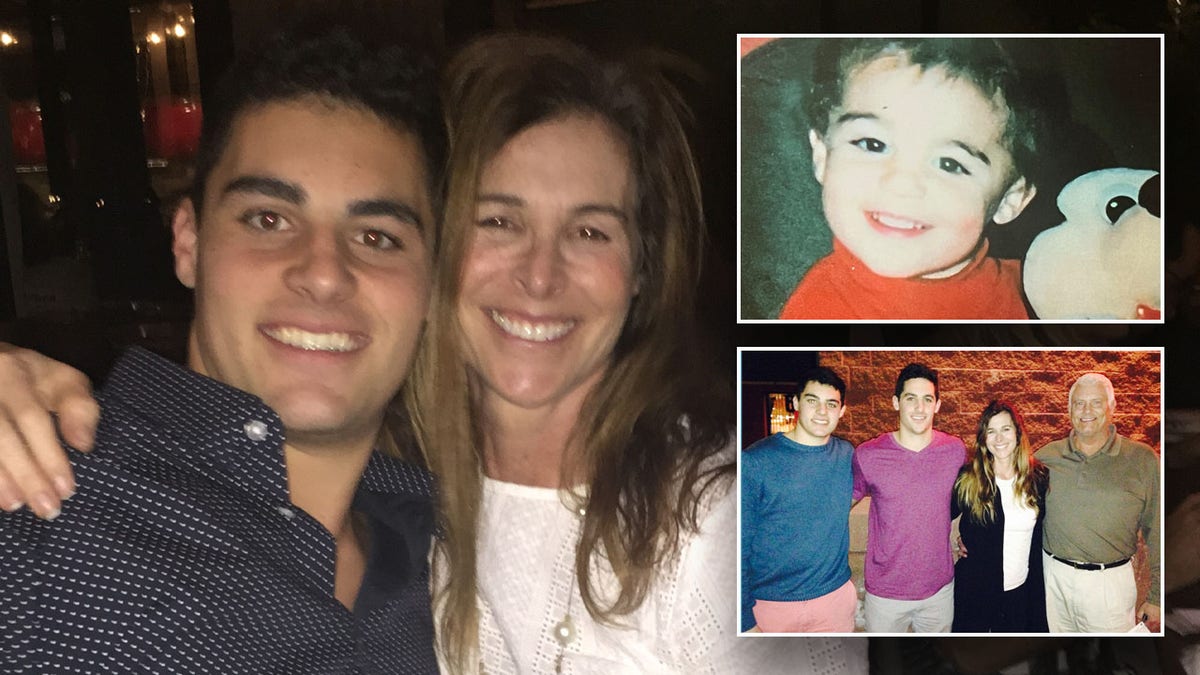
Derek McFadden, pictured at left with his mom Robin McFadden, was 23 when he took his own life on Aug, 17, 2018, in Tucson, Arizona. (Robin McFadden)
Around the time he turned 18, during his senior year of high school, the medication stopped working, McFadden said.
“He never got a good night’s sleep, but he soldiered through his school day and then would come home and lie down on his bed, exhausted, but couldn’t fall asleep,” she told Fox News Digital in an interview.
SUICIDE WARNING SIGNS ARE MISSED BY MOST AMERICANS, NEW SURVEY FINDS: IT’S ‘ALARMING’
McFadden took her son to multiple doctors and they tried different medications — none of which worked, she said.
“Derek would just lie there at night, and he was so tired, but he couldn’t fall sleep,” she said.
Amid the sleep struggles, her son managed to graduate from high school — but things got even worse when he left for college at the University of Arizona.
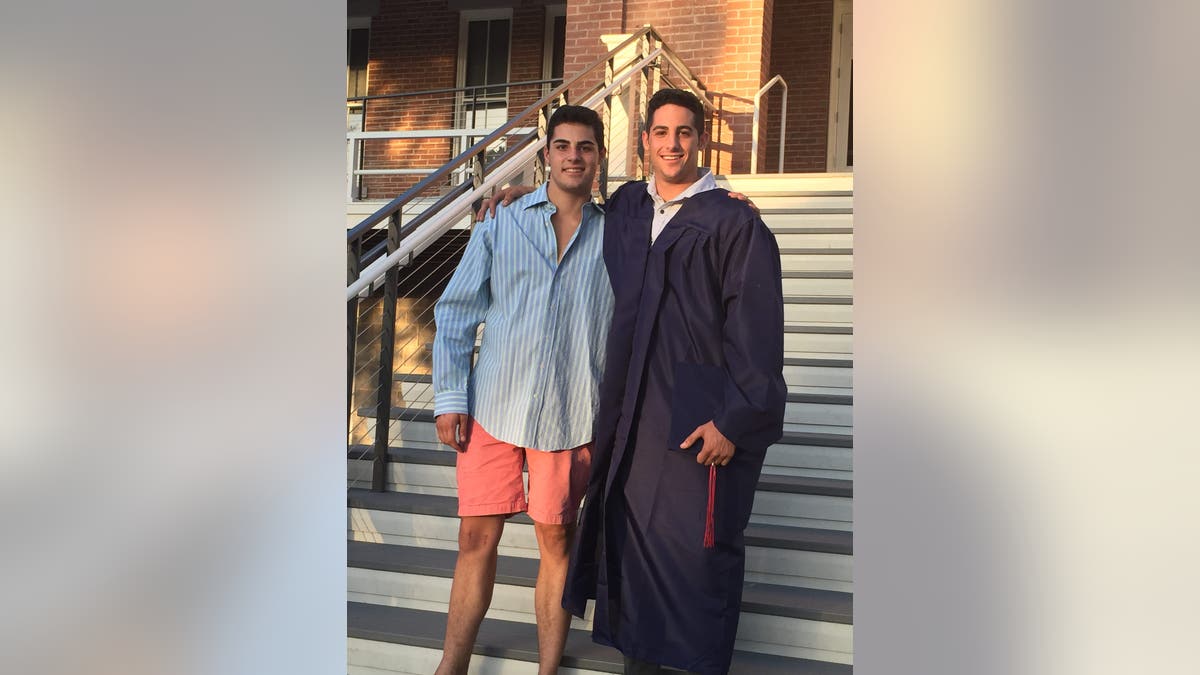
Derek McFadden, left, is pictured with his older brother Jake McFadden. (Robin McFadden)
He’d chosen Arizona because he was an “avid outdoorsman” who loved fly-fishing, going off-roading in his Jeep and spending time with his dog, which he’d adopted for emotional support.
“Our hope was that with Derek being in Arizona, the sunshine during the day would stimulate his brain to wake up so he could go to sleep at night, but it just didn’t work,” McFadden said.
The doctor’s visits continued, but none of the experts could figure out what was causing the insomnia.
“There was something wrong in his brain that was preventing him from sleeping.”
“Every doctor would assume it was sleep hygiene, and that he was doing something wrong,” McFadden said.
AMERICANS NEED MORE SLEEP, LESS STRESS, EXPERTS SAY, AS GALLUP POLL REVEALS TROUBLING FINDINGS
“They assumed that because he was 18, 19 or 20 years old that he was playing video games all night.”
She added, “But Derek knew sleep hygiene. He had done so much research on his own. There was something wrong in his brain that was preventing him from sleeping.”
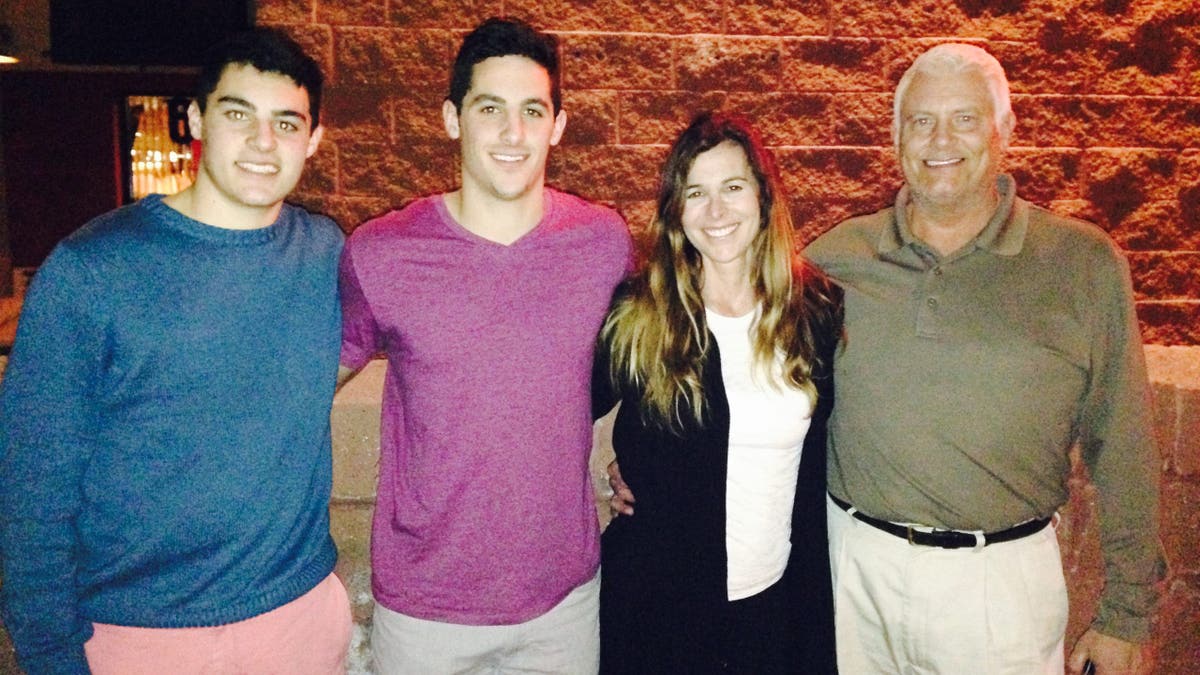
Derek McFadden, far left, is pictured with his brother, mother and father. (Robin McFadden)
The family looked into holistic approaches, including hypnosis, acupuncture and “brain training,” but “nothing seemed to work,” McFadden said.
Many nights, he would go the entire night without sleeping — sometimes up to three days in a row, she said.
“It was really, really bad,” McFadden said.
Physical and mental toll
As the months went by and sleep continued to elude her son, McFadden said it began to take a toll on his immune system.
After consecutive nights without sleeping, he developed bruises all around his eyes.
SUICIDE RATES REACH ALL-TIME HIGH IN US, PER CDC DATA
“Derek was constantly getting sick, and that made him feel like he was not a normal kid,” she said. “He just couldn’t fight anything off. He was always at Urgent Care.”
Her son developed severe acid reflux and stomach pain, to the point where it became difficult for him to eat.
“Sometimes his insomnia got so severe that he couldn’t keep any food or fluids down at all,” McFadden said.
Multiple times, he ended up in the emergency room with dehydration and severe cramping, she said.
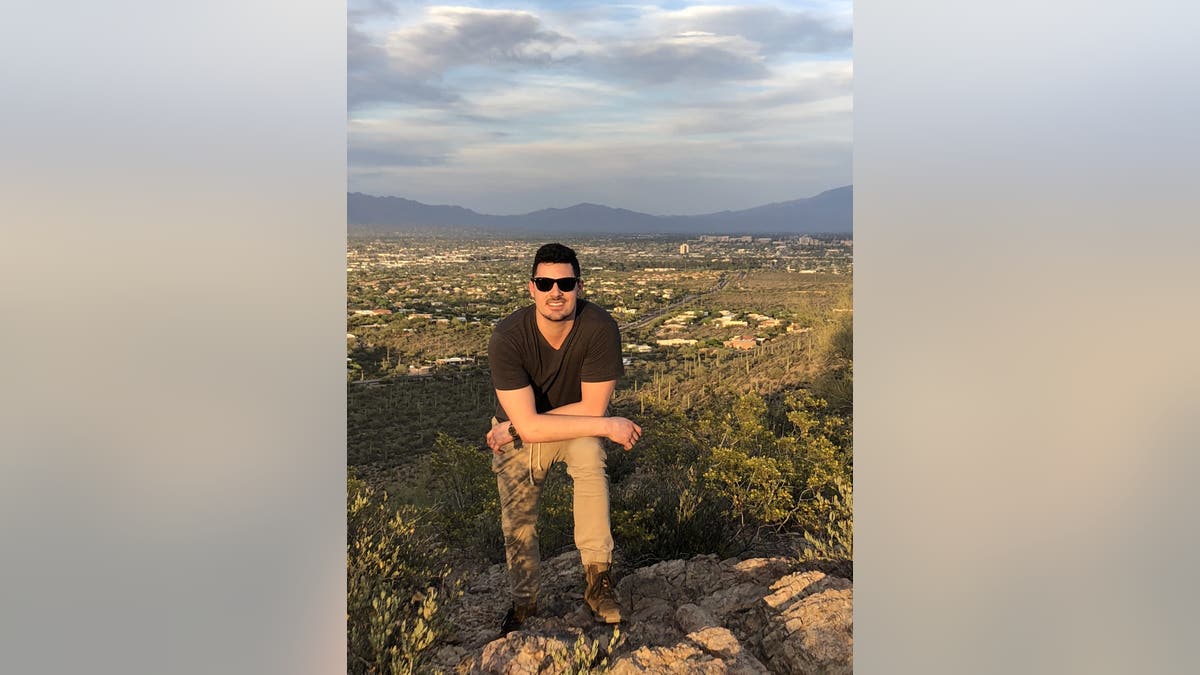
Derek was an “avid outdoorsman” who loved fly-fishing, going off-roading in his Jeep and spending time with his dog, which he’d adopted for emotional support, his mother said. (Robin McFadden)
The lack of sleep also changed her son’s demeanor and personality, McFadden said.
“Derek had tremendous mood swings — he became anxiety-ridden and depressed,” she recalled.
“He would have hallucinations, and was constantly losing things. He couldn’t think clearly.”
On the rare occasion that her son had a good night’s sleep, McFadden said, he was “a completely different person, as happy as could be.”
IMPROVE YOUR SLEEP BY OPTIMIZING 6 BIOMARKERS: ‘INTEGRAL TO HEALTH’
“It broke my heart, because he was such a happy, funny, huge-hearted person, and it was really sad to watch his decline.”
Unable to keep up with his studies, her son had to drop out of college.
“He couldn’t even hold a job because he couldn’t sleep at night,” McFadden said.
“He saw there was no cure, no future, and he just didn’t see a point in going on.”
"And I said, ‘Derek, why do you say that?’ And he said, ‘Because my mind and body can't take the sleep deprivation.’"
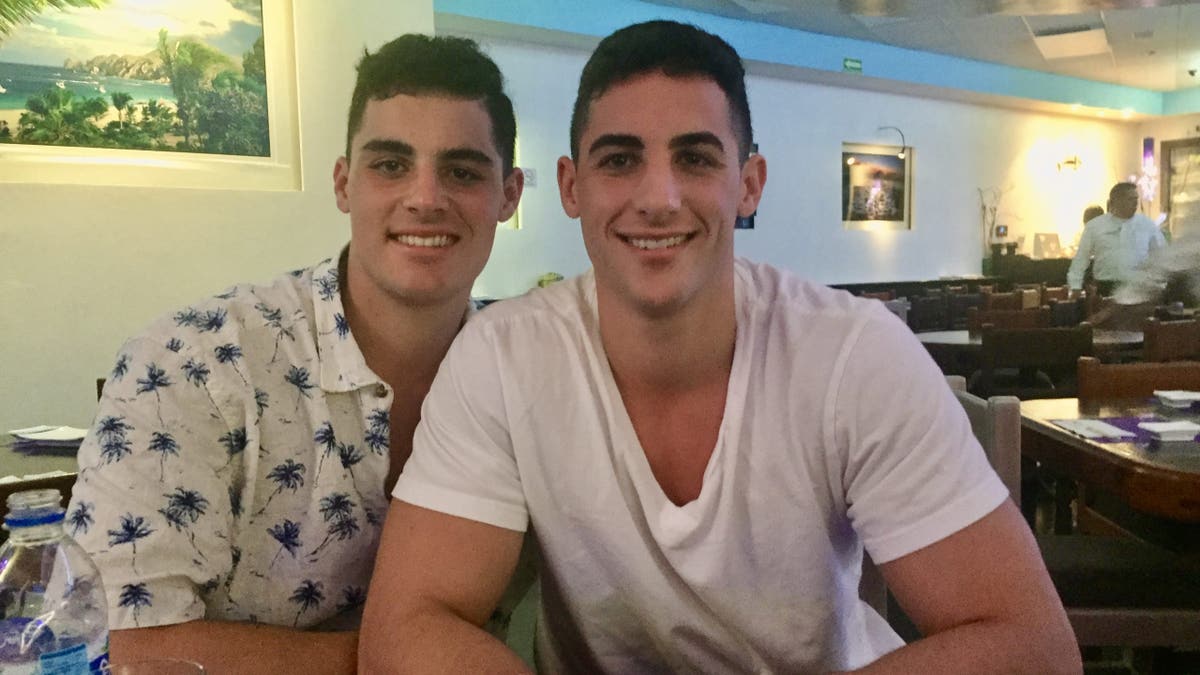
Derek McFadden, left, is pictured with his older brother. After the tragedy, his mother said she realized her son had likely been planning his suicide in recent weeks. (Robin McFadden)
Her son had also expressed that he didn’t want to have children because he didn't want to pass on the disorder, McFadden said.
"He saw there was no cure, no future, and he just didn't see a point in going on," she said. "Physically, he was starting to fall apart, and mentally, his cognitive ability was going."
"Physically, he was starting to fall apart."
-->
Four weeks later, McFadden got an early-morning call from the Tucson Police Department notifying her that her son had taken his life.
After the tragedy, McFadden realized that her son had likely been planning his suicide in recent weeks.
FOR QUALITY SLEEP, TIMING IS EVERYTHING, EXPERTS SAY: HERE’S THE SECRET OF SUCCESSFUL SLUMBER
“He had contacted some old friends, and in his text messages and phone calls, he sounded very serene, relieved and calm,” she recalled. “I truly believe Derek had made the decision. He just saw no future for himself.”
The sleep-suicide link
Studies have suggested a likely connection between sleep and suicide.
Research published in the journal Current Psychiatry Reports found that treating insomnia and nightmares, or addressing the source of those issues, could help prevent “the rising threat of suicide.”
“Sleep is crucial for emotional and psychological balance.”